

Evening rides have a unique allure that draws me in every time. But let’s face it: biking at night comes with serious risks due to reduced visibility and unpredictable road conditions.
Unseen obstacles and distracted drivers can turn a liberating experience into a dangerous one.
You need to be proactive and informed about night riding safety.
I’ve spent years on the road, and I’ve learned a lot about staying safe after dark.
This guide shares concrete, actionable tips to help you get through those risks confidently.
I want you to finish reading and feel empowered, equipped with the knowledge and strategies to transform your evening rides into secure journeys.
Let’s make those nighttime adventures safer together.
See and Be Seen: Master Your Lighting
Lighting isn’t just about seeing. It’s about making sure others see you too. Night riding safety hinges on both.
Let’s talk headlights. If you’re riding through the city, a 1000-lumen light might suffice. But hit those rural roads?
You’ll want something beefier. 2000 lumens or more. It’s not rocket science. A wide beam helps with peripheral vision, while a spot beam reaches farther.
Just make sure you’re aiming them right. Don’t be that person blinding oncoming traffic.
Now, taillights. We need bright, flashing ones. Why?
Because being seen from afar isn’t just a nice-to-have, it’s important. Consider smart brake lights. They kick in when you slow down, like a car’s.
And for the belt-and-suspenders types, add auxiliary rear lights. Extra lights mean extra presence.
Reflective gear is your friend. High-visibility jackets with 3M Scotchlite? Yes, please.
Throw in some reflective tape on your helmet and bike. It catches headlights from all angles. Who doesn’t want to be a moving beacon of safety?
Auxiliary lighting isn’t just for show. Helmet-mounted lights turn with your head. Side-mounted ones widen your bike’s profile.
Ever seen a UFO at an intersection? That’s what you’re aiming for. People notice, and that means you’re safer.
Got questions? You should. Where are you riding next?
What lights do you need? Think about it. And remember, it’s not just about you; it’s about everyone else on the road.
Sharpening Your Senses: Night Riding Techniques
Riding at night isn’t just about flipping on your headlights and hoping for the best. Even with the best lighting, our perception shifts in the dark. So, we need to adapt.
You ever notice how your eyes struggle with glare? That’s your vision trying to cope with sudden changes. It’s why clear visors or glasses are key.
Tinted options might look cool, but they can hinder your night vision.
Train your eyes by scanning ahead and using your peripheral vision more. I promise it makes a difference. Glare from oncoming headlights can be blinding.
Try looking at the right edge of your lane or focusing on the white line. It’s not just a tip. It’s a lifesaver.
Your eyes need time to recover from bright lights.
At night, judging distances gets tricky. Increase your following distance. I always double mine.
It gives more reaction time and lessens the chance of a close call. When scanning the road, look for shadows. They can hide potholes, debris, or even a sneaky animal darting out.
Spotting those “negative spaces” can be the difference between a smooth ride and a disaster.
Keep in mind that other drivers are struggling too. Their visibility is down, and they might be tired or, worse, impaired. Give them extra space and anticipate the unexpected.
Speaking of unexpected, mastering new techniques can be helpful. Check out Mastering Cornering Safety Tips for more. Riding safely at night is all about awareness.
And a little preparation goes a long way.
Mastering the Dark Road: Night Riding Safety Tips
Riding at night is thrilling, but let’s face it, it’s also tricky. The roads change when the sun goes down. You know what I’m talking about.
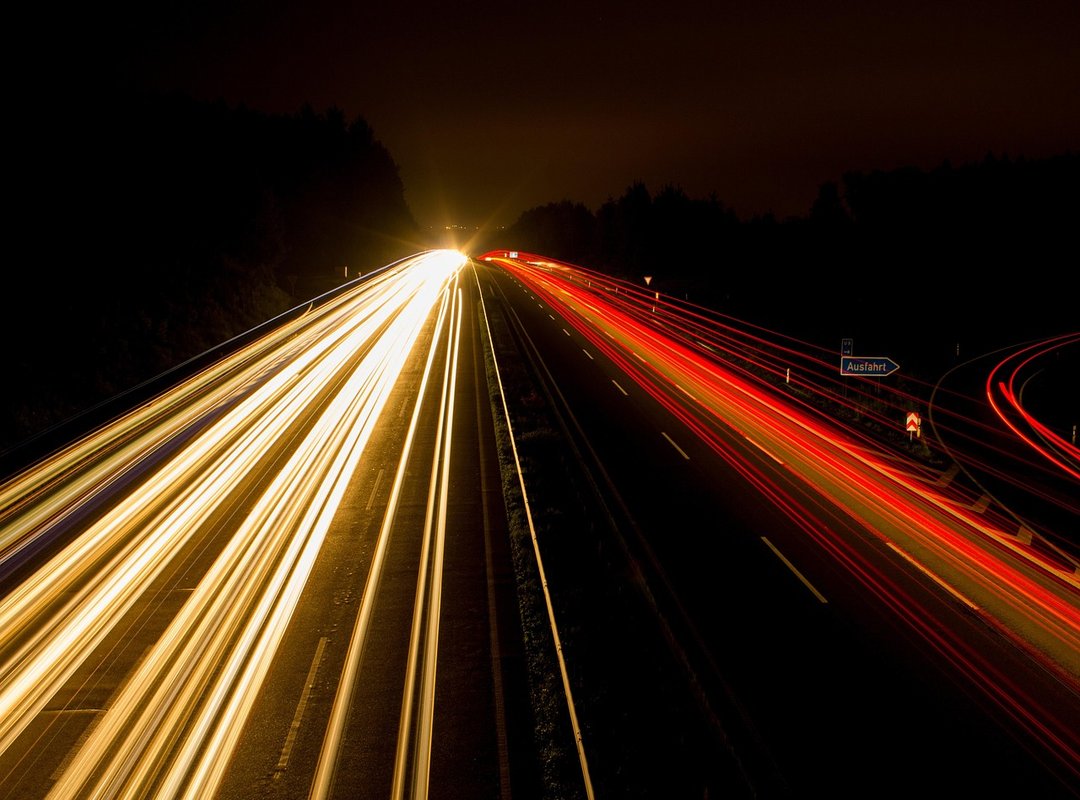
It’s harder to spot those sneaky wet patches, oil slicks, or gravel that can send you skidding.
After a rain, defensive riding is a must. Reduced light makes these hazards even more dangerous. And don’t get me started on potholes.
They’re like landmines at night.
Then there’s the temperature drop. As the sun sets, so does the mercury. Your tires?
They’re not fans of the cold. They lose pressure and grip. Check them before you ride.
Knowing how your tires react in cooler temps can save your skin.
Wildlife? Oh, they’re out there. More active at dusk and dawn.
Ever seen a deer freeze in your headlights? It’s a thing. Keep scanning those shoulders and use high beams when you can.
Be ready to swerve, but safely.
And fatigue creeps up faster at night. Low light strains your eyes. Take breaks.
Hydrate. Recognize when your concentration dips. It’s not just about staying awake; it’s about staying sharp.
Finally, plan your route. Ride the roads you know. Well-lit ones.
Avoid heavy traffic and sketchy areas. A GPS with night mode helps, too. For more on night riding safety, check it out.
Riding safe isn’t just smart; it’s important.
Gear Up for Night Riding: Safety Essentials and Beyond
When it comes to night riding safety, it’s more than just about flicking on those bike lights. People often forget the importance of layering. Temperatures drop dramatically at night.
I swear by multi-layering for warmth. Materials that wick moisture are a blessing. They keep you warm and focused.
Pro tip: Stick to fabrics that insulate effectively to maintain your core temperature.
Now, let’s talk about staying connected. Your phone isn’t just for selfies. Make sure you’ve got it charged with emergency contacts saved.
And a GPS system? Absolutely important. Night mode features help reduce eye strain, so you’re not squinting at tiny screens.
An emergency kit is indispensable. You don’t need a suitcase of stuff, just the basics: a small first-aid kit, multi-tool, tire repair essentials, and a compact flashlight. These tools can solve most roadside issues.
Think of them as your backup heroes.
Have you ever shared your route with someone beforehand? You should. Inform a trusted contact about your route and ETA.
Modern apps let you share your live location, keeping your safety net tight.
Finally, don’t underestimate reflective gear. Adding reflective elements to your helmet and footwear increases your visibility. It’s simple physics: movement catches attention.
It’s like putting a spotlight on safety.
In case you want to learn more about understanding advanced braking systems, check out resources that dive deeper.
Ride Safely into the Night
By now, you know that integrating night riding safety tips gives you the confidence to tackle nighttime challenges. The risks of reduced visibility and unexpected hazards can be intimidating, but they shouldn’t stop you from enjoying your ride.
Your preparation matters. Using superior lighting, being aware of your surroundings, managing hazards proactively, and staying prepared creates a strong safety system. This isn’t just about avoiding accidents; it’s about enhancing your overall enjoyment of evening rides.
So what’s next? Review your gear thoroughly. Make sure your lights are bright and your reflective gear is ready.
Practice these safety techniques.
Make safety a priority every time you ride at night. Embrace the night with confidence. You’ve taken the steps to secure your ride.
Staying safe means staying visible. It means keeping your passion for riding alive.
Let your journey continue. Call a fellow rider, share your plans, and inspire someone else. Keep exploring, keep enjoying the freedom of the open road after dark.
It’s time to ride safely into the night.
 Senior Automotive Analyst & Safety Specialist
Vionaryn Glimmerquill specializes in automotive insights, motorcycle safety education, and technical performance analysis at FMB MotoTune. He is known for producing detailed yet accessible content focused on maintenance techniques, riding safety, gear efficiency, and evolving automotive technologies. His analytical mindset helps readers better understand practical riding solutions and vehicle performance improvements. Vionaryn regularly researches industry developments to provide accurate and up-to-date recommendations for riders of all experience levels. He is also passionate about educating the community on responsible riding habits and long-term vehicle care. His expertise plays a major role in maintaining the informative and trustworthy reputation of the platform.
Senior Automotive Analyst & Safety Specialist
Vionaryn Glimmerquill specializes in automotive insights, motorcycle safety education, and technical performance analysis at FMB MotoTune. He is known for producing detailed yet accessible content focused on maintenance techniques, riding safety, gear efficiency, and evolving automotive technologies. His analytical mindset helps readers better understand practical riding solutions and vehicle performance improvements. Vionaryn regularly researches industry developments to provide accurate and up-to-date recommendations for riders of all experience levels. He is also passionate about educating the community on responsible riding habits and long-term vehicle care. His expertise plays a major role in maintaining the informative and trustworthy reputation of the platform.