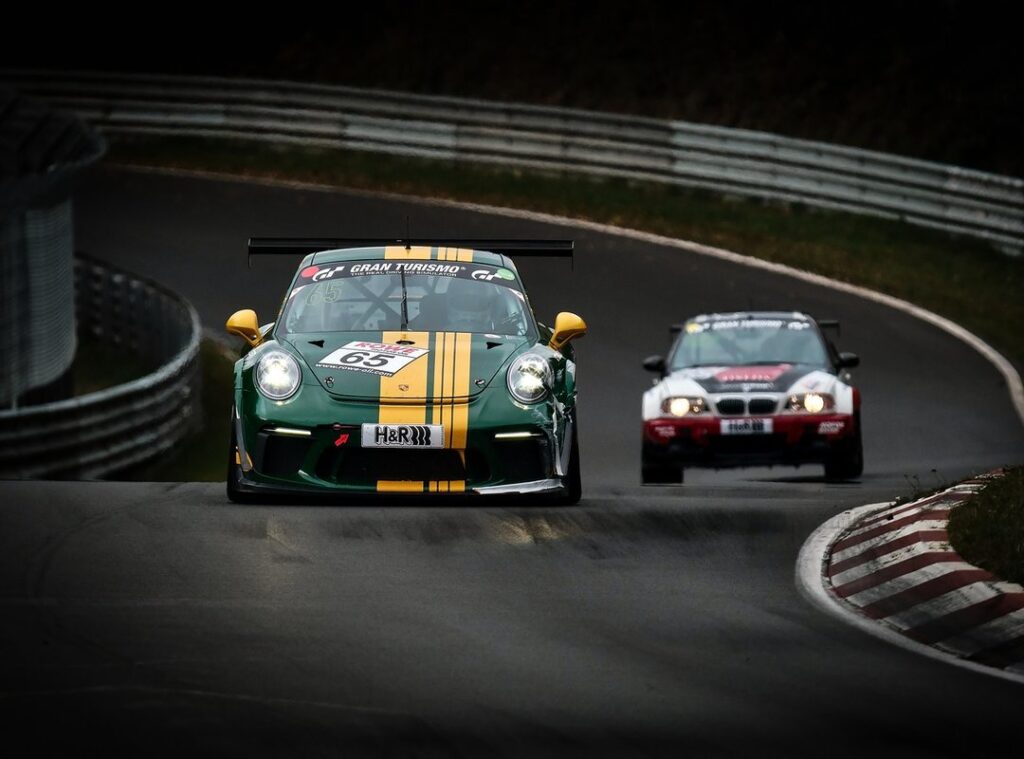
Smoke. Burning rubber. A roar that shakes your teeth.
I stood trackside in ’98 and felt that noise hit my chest like a punch.
You ever wonder how we got from those raw, dangerous early races to today’s laser-guided machines?
The Evolution of Racing Fmbmotoracing isn’t just about faster cars.
It’s about people betting their lives on engines held together with hope and duct tape.
Then came aerodynamics. Then sensors. Then data feeding drivers mid-corner.
Most fans love the speed but skip the story behind it.
That’s the problem. You watch Sunday’s race and miss why that corner exit feels different now.
Why the pit stops look like NASA mission control.
Why drivers train like astronauts. Not just athletes.
This isn’t history class. It’s context.
You’ll see how each change forced new skills, new rules, new risks.
And how every upgrade made racing more human. Not less.
By the end, you won’t just watch racing.
You’ll recognize the weight of every decision, every bolt, every lap.
You’ll know why this sport still matters.
You’ll be a fan who gets it.
Chariots, Craziness, and Crankshafts
I watched a video of a Roman chariot race last week. Dust. Horses screaming.
Drivers leaning hard into turns that had no guardrails. (Sound familiar?)
That hunger for speed? It didn’t start with engines. It started with hooves.
The Evolution of Racing Fmbmotoracing begins there (not) in a garage, but in the Circus Maximus.
Then came the late 1800s. Clunky metal things with rubber tires and no brakes worth naming. People called them “horseless carriages.” I call them death traps with ambition.
They raced them anyway.
Paris-Rouen in 1894 wasn’t about lap times. It was about who could finish. Half the entries broke down before lunch.
One driver steered with a rope tied to the front axle. (True story.)
Roads were mud or cobblestone. Tires blew. Engines seized.
Drivers wore cloth caps and prayed.
No safety rules. No fuel stops. Just guts and gasoline.
You think your commute is rough?
These weren’t pros. They were mechanics, nobles, and lunatics who believed metal could outrun wind.
They built speed from scratch. No manuals, no data, just trial and fire.
That first spark? It wasn’t polished. It was loud, smoky, and barely held together.
And it lit everything that came after.
Fmbmotoracing carries that same raw nerve. Not the polish. The pulse.
Racing Got Real in the 1920s
I watched racing change after World War I.
It stopped being a rich guy’s hobby and started looking like work.
Cars weren’t just souped-up Fords anymore. Engineers built them from scratch to go fast (lighter) frames, bigger brakes, better cooling. (No more stopping every five miles to hose down the radiator.)
Tracks got serious too. Brooklands opened in England in 1907, but the 1920s saw purpose-built circuits like Monza and Le Mans. They were banked, wide, and built for crowds.
Not just drivers.
Manufacturers jumped in hard. Alfa Romeo vs Bugatti wasn’t marketing fluff. It was real heat on the track.
Drivers raced factory cars with factory support. That changed everything.
Speeds shot up past 120 mph. Brakes smoked. Tyres blew.
Drivers wore leather helmets and prayed. Safety meant a straw bale or a rope fence. (Yeah, really.)
This wasn’t just faster cars. It was the first time racing had its own rules, its own stars, its own stakes. The Evolution of Racing Fmbmotoracing began here (not) with data or drones, but with grit, grease, and guts.
You think today’s safety gear is overkill? Try imagining racing in 1925 with no seatbelts and no crash barriers. I wouldn’t.
Spectators showed up in droves. Not just nobles (mechanics,) students, shopkeepers. Racing became public.
And loud. And dangerous. And thrilling.
After the War, Everything Sped Up
I watched old footage of those early F1 races. Smoke, noise, drivers in open cockpits with no seatbelts. It felt dangerous.
And real.
The war ended. Factories switched from tanks to race cars. Engineers reused bomber tech in chassis and engines.
No more theory. Just speed and survival.
Formula 1 started in 1950. Tight rules. Pure driver skill.
NASCAR exploded in the American South (stock) cars, dirt tracks, family-run teams. Le Mans? Twenty-four hours.
One car. Two drivers swapping seats like shift workers.
Fans didn’t need TV. They showed up. In Italy, Germany, Japan, Brazil.
Racing wasn’t European anymore. It was everywhere.
Stirling Moss never won a world title. Everyone still talks about him. Fangio raced with broken vertebrae.
You’d do that? I wouldn’t.
Tires melted. Wings didn’t exist yet. Engineers guessed at airflow using smoke and intuition.
Every lap pushed something new.
This wasn’t polished entertainment. It was raw, loud, and often fatal.
The Evolution of Racing Fmbmotoracing isn’t just about faster laps. It’s about what people dared to build. And break.
When no one was watching.
Some of that same grit lives in modern motorbike competition. learn more
Drivers today still lean into corners like they’re defying physics. Same nerve. Same hunger.
Racing Got Real
I watched my first race in 1998. The cars looked fast. They were not safe.
Computer tech changed everything. Not slowly. Overnight.
Teams started building around data, not just gut feeling.
Aerodynamics got serious. Wings stopped flapping. Telemetry told engineers exactly what the car felt at 200 mph.
No guessing.
Safety jumped ahead too. Chassis don’t crumple like they used to. HANS devices lock your head down.
Medical crews arrive in under 90 seconds.
You think that’s enough? It isn’t. Simulators now run thousands of laps before a driver ever turns a wheel on track.
Data analysis spots weaknesses before they become crashes.
This isn’t just faster cars. It’s smarter racing. Human reflexes meet machine precision.
You can’t win without both.
Some people miss the old days. I don’t. Those old days killed people.
The Evolution of Racing Fmbmotoracing shows how far we’ve come (and) how much further we still need to go.
Is motorcycle racing safe fmbmotoracing? That question matters more than lap times. Because speed means nothing if you don’t walk away.
Your Next Lap Starts Now
I just showed you how racing grew from dusty chariot tracks to screaming F1 machines. It wasn’t magic. It was sweat, risk, and stubborn curiosity.
You didn’t know the full story before. That gap in understanding? It’s real.
And it dulls the roar.
The Evolution of Racing Fmbmotoracing isn’t just dates and engines. It’s people pushing limits. It’s crashes that led to helmets.
It’s pit crews who turned wrenches into art.
So next time you watch a race. Don’t just see speed. See centuries of guts and gears.
See the driver’s hands on the wheel and the ghost of a Roman charioteer behind them.
You wanted context. You got it. Now go watch something live.
Turn up the sound. Feel the vibration in your chest.
That roar? It’s not just noise. It’s history with horsepower.
Hit play on any race right now. Watch one full lap. No phone, no pause.
And notice one thing you never saw before. Then do it again tomorrow.
The track’s waiting.
So are you.
 Creative Director & Lifestyle Content Lead
Lirithyn Dusklance oversees the visual identity and lifestyle direction of FMB MotoTune. Her work focuses on blending motorcycle culture with modern design trends, rider apparel, travel inspiration, and everyday gear recommendations. She has a sharp eye for aesthetics and storytelling, helping the platform maintain a bold yet approachable style. Lirithyn contributes heavily to branded campaigns, feature layouts, and audience engagement strategies that resonate with both experienced riders and newcomers. Her creative approach ensures that the platform remains visually dynamic while staying informative and authentic. Through her leadership, FMB MotoTune continues to strengthen its connection with the wider riding lifestyle community.
Creative Director & Lifestyle Content Lead
Lirithyn Dusklance oversees the visual identity and lifestyle direction of FMB MotoTune. Her work focuses on blending motorcycle culture with modern design trends, rider apparel, travel inspiration, and everyday gear recommendations. She has a sharp eye for aesthetics and storytelling, helping the platform maintain a bold yet approachable style. Lirithyn contributes heavily to branded campaigns, feature layouts, and audience engagement strategies that resonate with both experienced riders and newcomers. Her creative approach ensures that the platform remains visually dynamic while staying informative and authentic. Through her leadership, FMB MotoTune continues to strengthen its connection with the wider riding lifestyle community.