
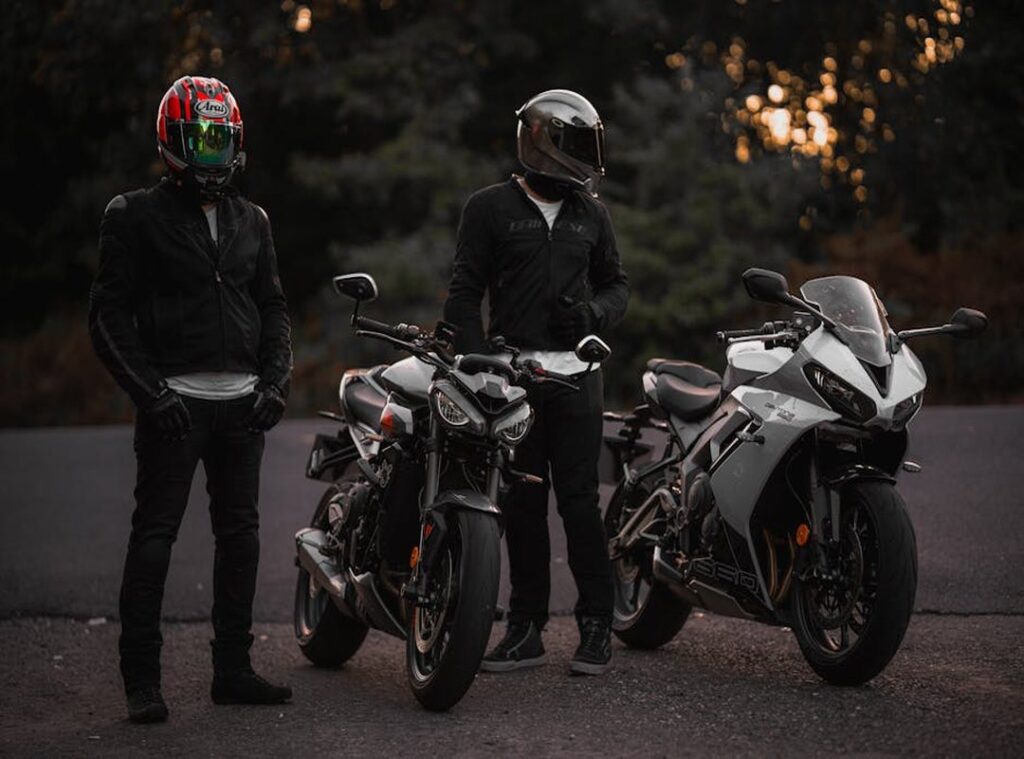
You’ve stared at a dozen helmets online. You’ve read five conflicting reviews. You’re tired of guessing.
I know that feeling. I’ve tried helmets that cracked on the first gravel road. I’ve worn ones that gave me a headache after thirty minutes.
You need something that works on pavement and dirt (not) a compromise.
A good dual sport helmet isn’t about flashy stickers or weight specs. It’s about staying safe when you hit a pothole at 45 mph. It’s about breathing easy when you’re climbing a dusty trail at noon.
It’s about not choosing between comfort and protection.
That’s why I put together the Best Dual Helmets 2022 Fmbmotogear list. No hype. No brand loyalty nonsense.
Just real-world testing. On highways, fire roads, and muddy switchbacks.
You’re not buying gear. You’re buying confidence. And confidence starts with knowing your helmet won’t fail you.
This article cuts through the noise. It tells you which helmets actually deliver. And why the rest fall short.
You’ll walk away knowing exactly what to buy (and) why it matters.
What Makes a Dual Sport Helmet Actually Dual?
It’s not just marketing fluff. A dual sport helmet does two jobs at once (street) riding and dirt trails. Without pretending.
I’ve worn helmets that claim to be “dual” but choke on pavement or fog up off-road. Real ones have an integrated flip-down visor and a fixed peak. One blocks wind and rain.
The other keeps sun and branches out of your face. (Yes, both matter.)
The eye port is bigger. Goggles fit. No wrestling.
Airflow is better too (vents) open wide, no false economy.
Street comfort means padding that doesn’t sweat you out. Off-road function means a shell that sheds mud and resists impacts from rocks, not just asphalt.
Most use polycarbonate or fiberglass. Lighter than old-school ABS. Safer than cheap plastic.
Weight matters when you’re standing on the pegs for miles.
You don’t need a garage full of helmets. Just one that works where you ride. That’s why I checked the Best Dual Helmets 2022 Fmbmotogear list before my last trip.
What’s the point of switching gear if your helmet can’t keep up?
What Actually Keeps Your Head Safe
I crashed my dual sport bike in the desert last year. Helmet stayed on. My face did not meet the rocks.
That’s why I care about DOT, ECE, and Snell certifications (not) as stickers, but as proof someone tested it at real speeds.
DOT is basic US legal minimum. ECE is stricter and widely accepted overseas. Snell?
That one makes me pause. It tests for multiple impacts. Rare in helmets, but useful if you ride rough trails.
Ventilation isn’t just airflow. It’s whether your glasses fog up mid-desert climb. I’ve ridden with helmets that choked me and ones that pulled air like a vacuum.
You’ll know the difference in five minutes.
Fit isn’t comfort. It’s safety. I measured my head twice before buying.
Wrong size = helmet shifts = bad day.
Polycarbonate is cheap and tough. Fiberglass is lighter. Carbon fiber?
Lighter still. But costs more than my first bike.
Removable liners save your sanity after summer rides. Emergency release systems? I never thought I’d need them.
Until I saw a rider get pinned and watched medics cut his helmet off.
Visors scratch. Fog. Break.
Anti-fog coating lasts maybe six months. Sun visors? Worth every penny.
The Best Dual Helmets 2022 Fmbmotogear list helped me skip the junk.
Helmets That Actually Work Off-Road
I’ve worn helmets that looked cool until I hit the first gravel patch. Then they rattled, fogged, or just plain sucked air. So yeah (I) get the skepticism.
Some riders say dual sport helmets are a compromise. Half helmet. Half full-face.
Neither good at either job. (They’re not wrong.)
But here’s what I’ve learned: the right dual sport helmet doesn’t try to be two things. It’s built for dirt first (and) lets you ride on pavement without feeling like you’re wearing a bucket.
The Bell MX-9 Adventure? Polycarbonate shell. Lightweight.
Ventilation opens wide when you’re climbing a dry riverbed. It’s for riders who spend more time off-pavement than on.
The Shoei Hornet X2 costs more. Carbon-fiber shell. Quieter at highway speeds.
Better seal against dust. If you’re doing 300-mile days with fire roads and twisties mixed in. This one stays on your head without begging for mercy.
Budget pick? The HJC CL-17. Not fancy.
But it vents well, fits true, and doesn’t pinch after two hours. I wore it all day on a Baja loop. No headaches.
No sweat rivers.
You might ask: “Why not just wear a full-face and ditch the visor?” Because airflow matters. Because flipping a chin bar up mid-ride is dumb. Because goggles fog less when the helmet breathes.
Some folks swear by modular helmets. I tried three. All leaked dust.
All weighed too much. All made me miss my old open-face.
The Best Dual Helmets 2022 Fmbmotogear list? It’s not about specs on paper. It’s about what stays put, what cools, and what doesn’t make you stop every 45 minutes to adjust.
If you want gear that’s been tested. Not just marketed. Check out Motorcycle Equipment Fmbmotogear.
Real riders. Real miles. No fluff.
Helmet Care That Actually Works
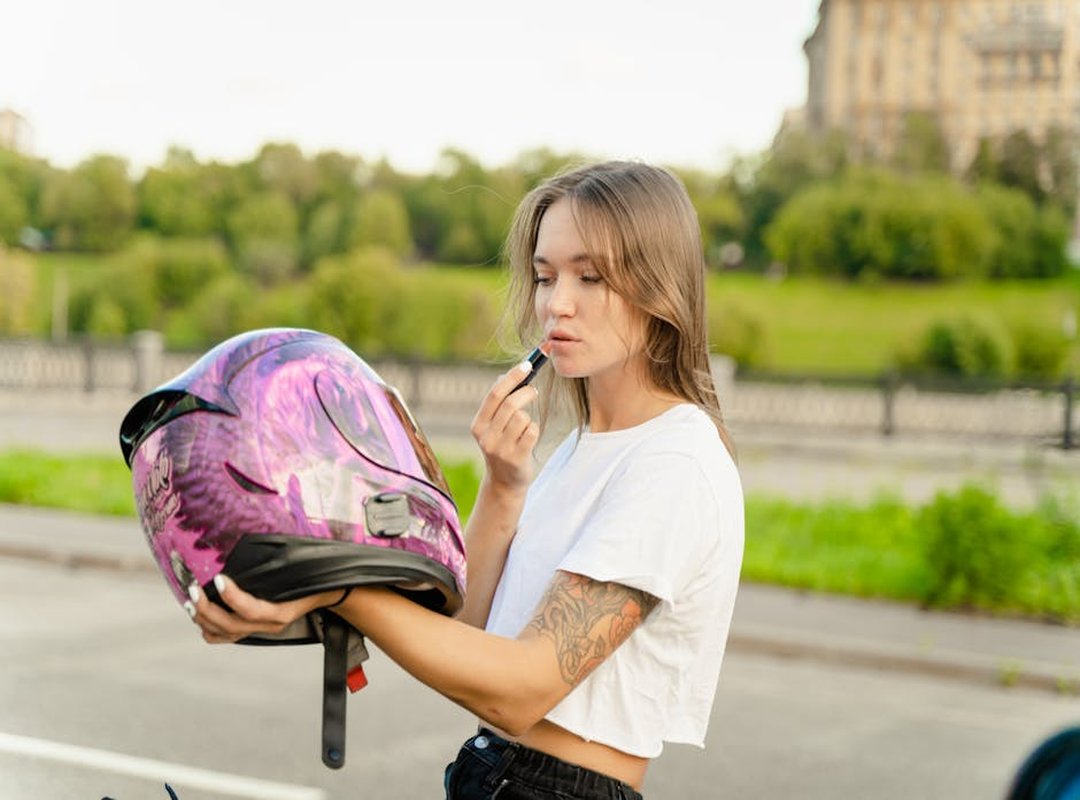
I break in a new helmet by wearing it around the house for twenty minutes a day. Not longer. My head gets sore fast and that’s fine.
Adjust the cheek pads first. Then the crown pad. If it pinches behind your ears, swap the pads.
Most helmets ship with three thicknesses. Use them.
Clean the shell with dish soap and water. No solvents. They eat plastic.
Wipe the visor with a microfiber cloth only. No paper towels. Scratches hide in plain sight.
Wash the liner by hand in cold water. Hang it to dry. Never toss it in the dryer.
Heat warps foam.
Store it upside down on a hook. Not in a bag. Not in direct sun.
Sunlight cracks polycarbonate faster than you think.
Replace your helmet after any crash (even) if it looks fine. Foam crushes once and stays crushed. Also replace it every five years.
Glue dries out. Liners sag. Helmets age like milk.
Proper care keeps you safe and comfortable. Not the other way around.
You want durable gear across the board. Like gloves. Are motobike gloves strong fmbmotogear shows how some hold up better than others. Same logic applies here.
The Best Dual Helmets 2022 Fmbmotogear list? It assumes you’ll actually take care of yours.
Your Helmet Choice Starts Now
I’ve been there. Staring at twenty helmets online. Confused by vents, weights, and “off-road certified” labels that mean nothing.
You just want one that fits, protects, and doesn’t give you a headache after thirty minutes.
That’s why this isn’t about perfect specs. It’s about your ride. Your head shape.
Your budget. The dirt roads you actually take (not) the ones in ads.
You already know what sucks: buying wrong, returning, losing time, risking safety. So skip the guesswork.
The Best Dual Helmets 2022 Fmbmotogear list cuts through the noise. No fluff. Just real features, real trade-offs, real maintenance tips.
You don’t need more research. You need to pick one. And go ride.
So what are you waiting for? Grab your favorite from the list. Try it on.
Feel the weight. Check the visor.
Then get out there.
Don’t wait. Explore these top dual sport helmets and get ready for your next ride.
 Creative Director & Lifestyle Content Lead
Lirithyn Dusklance oversees the visual identity and lifestyle direction of FMB MotoTune. Her work focuses on blending motorcycle culture with modern design trends, rider apparel, travel inspiration, and everyday gear recommendations. She has a sharp eye for aesthetics and storytelling, helping the platform maintain a bold yet approachable style. Lirithyn contributes heavily to branded campaigns, feature layouts, and audience engagement strategies that resonate with both experienced riders and newcomers. Her creative approach ensures that the platform remains visually dynamic while staying informative and authentic. Through her leadership, FMB MotoTune continues to strengthen its connection with the wider riding lifestyle community.
Creative Director & Lifestyle Content Lead
Lirithyn Dusklance oversees the visual identity and lifestyle direction of FMB MotoTune. Her work focuses on blending motorcycle culture with modern design trends, rider apparel, travel inspiration, and everyday gear recommendations. She has a sharp eye for aesthetics and storytelling, helping the platform maintain a bold yet approachable style. Lirithyn contributes heavily to branded campaigns, feature layouts, and audience engagement strategies that resonate with both experienced riders and newcomers. Her creative approach ensures that the platform remains visually dynamic while staying informative and authentic. Through her leadership, FMB MotoTune continues to strengthen its connection with the wider riding lifestyle community.