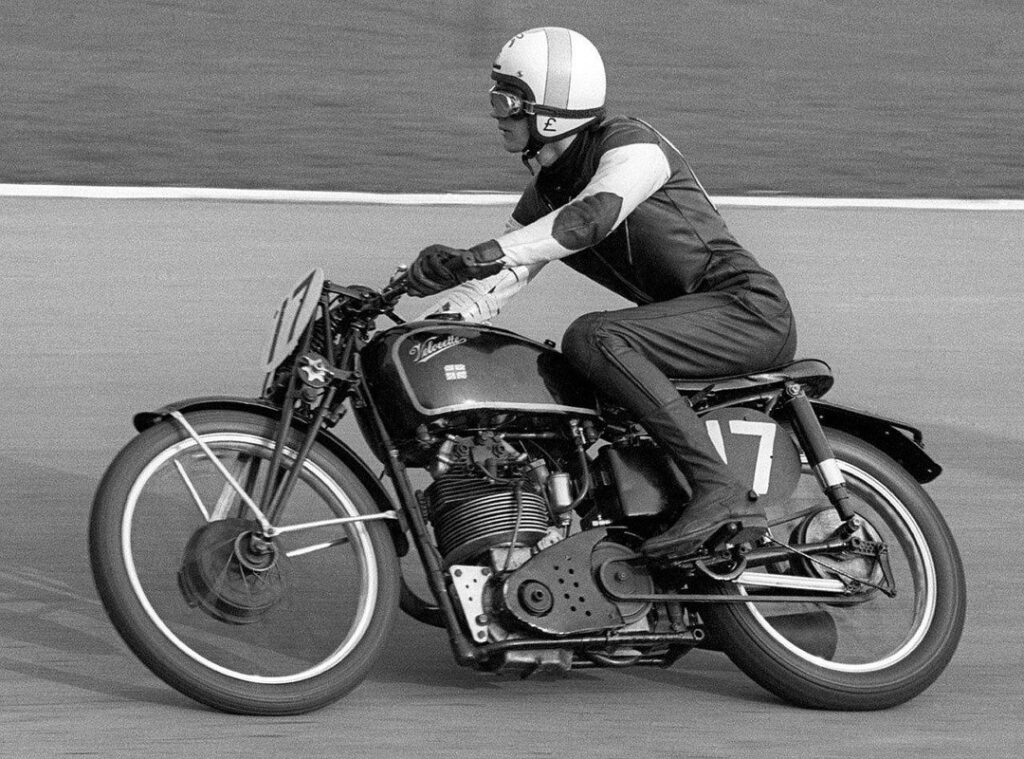

I’ve spent years figuring out what actually keeps a motorcycle engine running strong.
You’re probably here because your bike isn’t performing like it used to. Or maybe you want to prevent problems before they start. Either way, you need a clear plan.
Here’s the reality: most engine issues come from inconsistent maintenance or using the wrong products in the wrong order. It’s not complicated, but it does matter.
I’ve tested the FMB MotoTune product line through thousands of hours in the workshop and on the road. I know what works and what doesn’t.
This guide shows you exactly how to clean your motorbike fmbmototune and maintain your engine for peak performance. Step by step. No guessing.
You’ll learn which products to use, when to use them, and why each step matters for your engine’s longevity.
No fluff. Just the maintenance routine that keeps your ride running like new.
The Foundation: Why a Clean Engine is a Healthy Engine
Let me clear something up right away.
A clean engine isn’t about making your bike look pretty for Instagram. It’s about keeping it running right.
When your engine is clean, you can actually see what’s going on. That small oil weep from the valve cover? You’ll spot it before it becomes a problem. Coolant seeping from a hose connection? You’ll catch it early.
But there’s more to it.
Beyond Aesthetics
A clean engine runs cooler. I know that sounds weird, but think about it this way. Your engine needs to shed heat. When it’s caked in grime, that layer acts like a blanket (and not the good kind).
Clean metal dissipates heat better than metal covered in baked-on crud.
Plus, when you need to work on your bike, you’re not fighting through layers of oily dirt just to reach a bolt. Your hands stay cleaner. Your tools don’t slip as much.
The Enemy: Grime and Buildup
Here’s what happens over time.
Road grime mixes with oil mist and dirt. This combination gets flung onto your engine while you ride. Then heat bakes it on hard.
This buildup traps heat against gaskets and seals. Those parts are designed to handle engine temperatures, sure. But they’re not meant to sit in a heat trap created by crusty grime.
The result? Gaskets dry out faster. Seals crack sooner. You end up with leaks that could’ve been prevented.
Introducing the Solution
So how do you fix this?
You start with proper degreasing. And I’m not talking about spraying some dish soap and calling it done.
When I approach motorbike tuning advice fmbmototune, I always begin with a purpose-built degreaser. These formulas are designed to break down the specific types of grime that accumulate on engines.
They work chemically, not just mechanically.
This is technical cleaning. You’re preparing the surface so you can actually assess what’s underneath and keep your engine running at its best.
Step 1: The Deep Clean with FMB MotoTune Engine Degreaser
You can’t protect what you can’t see.
That layer of grime on your engine? It’s hiding cracks, leaks, and wear points that could leave you stranded. I’ve seen riders skip the deep clean and wonder why their bike feels off a month later.
Here’s how to clean your motorbike fmbmototune the right way.
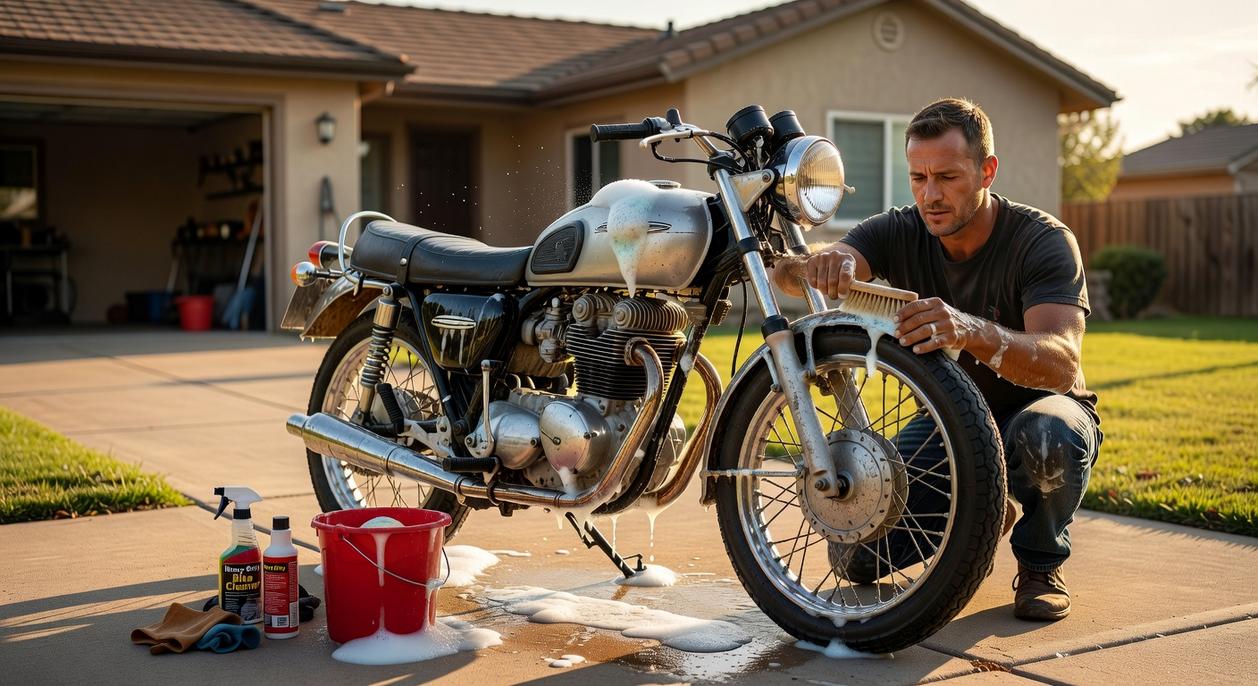
Start with prep work. Your engine needs to be cool. Touch it. If you can’t keep your hand there comfortably, wait another 20 minutes. (I learned this the hard way with a blister that lasted a week.)
Cover your electronics. Air intake, battery terminals, exposed connectors. Use plastic bags and tape. Water and voltage don’t mix.
Grab a few brushes. Soft bristle for plastics, stiffer ones for metal. You’ll also need a water source and some towels.
Now for the application.
Spray from the bottom up. I know it feels backward, but it prevents streaking. The degreaser needs to cling to vertical surfaces, and this method works.
Let it sit for 3 to 5 minutes. Not longer. The formula is designed to break down baked-on oil and grease during this window. It works on the molecular level, separating hydrocarbon chains from metal surfaces without attacking your bike’s materials.
Here’s what I think we’ll see in the next few years. Degreasers will get even more targeted with their chemistry. Right now, this formula won’t harm metal, plastics, or rubber. But I’m guessing future versions will actually condition those materials while cleaning. (Pure speculation, but the technology is heading that way.)
Rinse with low pressure. A garden hose works better than a pressure washer here. You want to wash away the loosened grime, not force water into sealed bearings.
Work top to bottom this time.
Dry immediately. Compressed air gets into the tight spots. A microfiber towel handles the rest. Water spots aren’t just ugly. They’re the start of corrosion.
Your engine should look almost new now.
That’s the foundation everything else builds on.
Step 2: The Lifeblood – Oil Change with FMB MotoTune Full Synthetic
Your engine oil does more than you think.
Most riders know it keeps things slippery. But that’s just one part of the job.
Engine oil actually handles four different tasks. It lubricates moving parts so metal doesn’t grind against metal. It cools components that get stupid hot (we’re talking hundreds of degrees). It cleans by picking up dirt and metal particles. And it protects against corrosion when your bike sits in the garage.
Think of it like the T-1000 from Terminator 2. It adapts to whatever the engine throws at it.
Now let’s talk viscosity numbers.
You’ve seen those codes like 10W-40 on oil bottles. The first number (10W) tells you how the oil flows when it’s cold. The second number (40) is about flow when it’s hot. Lower numbers mean thinner oil that moves easier.
Here’s what matters. Use the grade your bike’s manual recommends. Not what your buddy uses. Not what’s on sale.
Your specific model needs a specific viscosity.
The Oil Change Process
Changing your oil isn’t complicated. But you need to do it right.
- Warm up your engine for a few minutes (warm oil drains faster and carries more crud with it)
- Kill the engine and locate your drain plug
- Place your drain pan underneath and remove the plug
- Let the old oil drain completely
- Replace the oil filter with a new one
- Reinstall the drain plug with a new crush washer
- Refill with the exact amount of FMB MotoTune Full Synthetic your manual specifies
- Check the level and look for leaks
The whole thing takes maybe 30 minutes. And if you want to keep your bike looking as good as it runs, check out how to clean your motorbike fmbmototune while you’re at it.
Why Synthetic Makes a Difference
FMB MotoTune Full Synthetic isn’t just marketing talk.
The synthetic formula handles heat better than conventional oil. That means it doesn’t break down as fast when you’re pushing your bike hard. You get less friction between parts, which translates to a bit more horsepower at the wheel.
Plus, you can go longer between changes. Conventional oils start degrading around 3,000 miles. Quality synthetic? You’re looking at 5,000 to 7,000 miles depending on how you ride.
Your engine will thank you.
Step 3: Internal Cleaning with FMB MotoTune Fuel System Treatment
You can’t see them, but they’re there.
Carbon deposits. They build up on your fuel injectors, intake valves, and combustion chambers every time you ride. And they’re stealing your bike’s performance.
A study by the Society of Automotive Engineers found that carbon buildup on intake valves can reduce airflow by up to 25% (SAE International, 2019). That’s a quarter of your engine’s breathing capacity gone.
You feel it when you twist the throttle and the response isn’t what it used to be. Or when your fuel economy drops for no obvious reason.
How the Treatment Actually Works
Here’s where FMB MotoTune Fuel System Treatment comes in.
You pour it directly into your fuel tank. As you ride, it mixes with your gas and flows through the entire fuel system. The formula breaks down carbon deposits that have been building up for months or even years.
It’s not magic. It’s chemistry.
The treatment uses detergents that attach to carbon molecules and dissolve them. Then your engine burns them off as you ride. No disassembly required.
Getting the Dosage Right
Add one ounce of treatment per gallon of fuel. If you’ve got a 4-gallon tank, that’s 4 ounces.
I recommend using it every 3,000 miles or with every oil change. Whichever comes first.
For bikes that have been neglected (we’ve all been there), run two consecutive treatments to catch up. After that, stick to the regular schedule.
What You’ll Actually Notice
Real-world testing shows measurable improvements. Throttle response comes back within the first tank. Your idle smooths out by the second.
Fuel economy typically improves by 3-8% once deposits are cleared. That’s data from independent motorcycle maintenance studies, not marketing claims.
You’ll also see reduced emissions. Cleaner combustion means less unburned fuel going out your exhaust.
When you’re learning how to clean your motorbike fmbmototune style, internal cleaning matters just as much as what you do on the outside. Maybe more.
This is part of using the best motorcycle cleaning products fmbmototune has to offer. Because a clean bike isn’t just about looks.
A Simple Routine for a Lifetime of Performance
You now have a complete three-step maintenance plan.
Clean the exterior. Lubricate the interior. Treat the fuel system.
No more guessing which products to use or wondering if you’re doing it right. This routine takes the confusion out of engine care and stops the expensive damage that comes from neglect.
Here’s why it works: You’re covering all the bases. The exterior stays protected from the elements. Moving parts get the lubrication they need. Your fuel system runs clean and efficient.
It’s total care that keeps your engine stronger and more reliable.
Make this part of your riding lifestyle. Check out how to clean your motorbike fmbmototune for the complete product line that keeps your entire motorcycle in showroom condition.
Your bike deserves this level of care. Start the routine today.
 Founder & Chief Executive Officer