
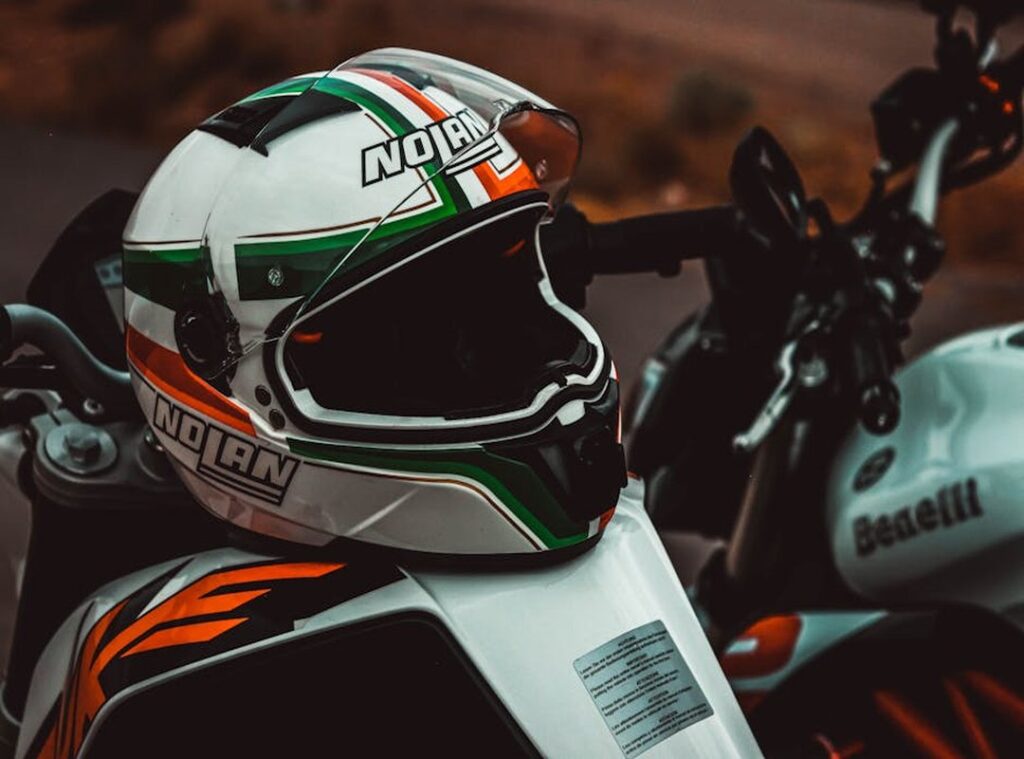
I’ve dropped helmets. I’ve bought the wrong size. I’ve worn one that gave me a headache after ten minutes.
Choosing a motorbike helmet shouldn’t feel like decoding a manual written in smoke.
But it does.
You walk into a shop or scroll online and get hit with shell types, safety ratings, cheek pad options, and noise levels.
It’s overwhelming.
And it shouldn’t be (because) this isn’t about style or price tags. It’s about your skull. Your vision.
Your ability to ride without distraction or danger.
A helmet is not gear. It’s your first and last line of defense.
You already know that.
So why does picking one still leave you guessing?
Because most guides skip the real questions: Does it actually fit my head shape? Does DOT mean enough? What’s the difference between modular and open-face when I’m just commuting?
This Motorbike Helmet Guideline Fmbmotogear cuts through the noise.
No fluff. No jargon. Just what works.
What doesn’t. And how to tell the difference before you strap it on.
You’ll learn how to check fit in under two minutes. Which certifications matter (and which don’t). And why your riding style (not) your budget (should) decide the type.
Let’s get you a helmet that stays put, keeps you safe, and doesn’t make you want to take it off at every stoplight.
Your Helmet Isn’t Optional. It’s Your Lifeline.
I crashed at 38 mph on a wet curve. My helmet cracked. My skull didn’t.
That’s not luck. That’s physics working because the helmet met real standards.
You need to know what those letters mean on the label. DOT is the bare legal minimum in the US. It’s required.
But it’s low bar. ECE is stricter. Used across Europe.
Snell? That’s the one racers trust. It tests harder, especially for multiple impacts.
I check every helmet I buy. Not just the logo (but) the actual certification sticker inside. Not printed on the box.
Inside. If it’s not there, walk away.
Impact absorption matters most. A good shell and liner crush just enough to slow your head down. Not too little.
Not too much. Penetration resistance stops sticks and signs from spearing through. Strap strength keeps it on you.
Because a helmet flying off mid-crash is useless.
You think your $200 helmet is safe? Does it have DOT and ECE? Or just a shiny sticker with no code?
The Motorbike Helmet Guideline Fmbmotogear page shows exactly how to spot real certs versus fakes. (Spoiler: if it feels light and cheap, it probably is.)
I’ve seen too many riders skip this step. Then skip rehab. Don’t be that person.
Look for the label. Read the fine print. Wear the right thing.
Every time.
Fit Beats Flash Every Time
A helmet that fits wrong is just a fancy paperweight.
Safety standards mean nothing if it slides off your head mid-turn.
I measure my head every time I buy a new one. Not once and done. Heads change.
Helmets wear.
Here’s how to do it right:
1. Grab a soft tape measure
2. Wrap it around your forehead, just above your eyebrows and ears
3.
Keep it level (not) too tight, not loose (write) down the number in centimeters
Now try it on. It should hug your skull evenly. No hot spots.
No gaps behind your ears.
Shake your head side to side. Then up and down. If the helmet moves but your skin doesn’t?
Too big.
Cheek pads should press gently. Not crush.
You shouldn’t be able to slip two fingers between pad and cheek.
An ill-fitting helmet won’t stay put in a crash.
It also gives you headaches, wind noise, and blisters.
You think you’ll “break it in”? Nope. Helmet liners don’t stretch much.
They compress. And then they fail.
Snug isn’t tight. Tight isn’t safe. Snug means it stays where it belongs when you move.
This is why fit is the first thing I check. Not color, not vents, not price.
Read the Motorbike Helmet Guideline Fmbmotogear before you click buy.
Still unsure? Try three sizes. One store.
Same model. Thirty minutes. Your head will tell you which one’s right.
Trust it.
Helmet Types: Which One Actually Fits Your Ride?
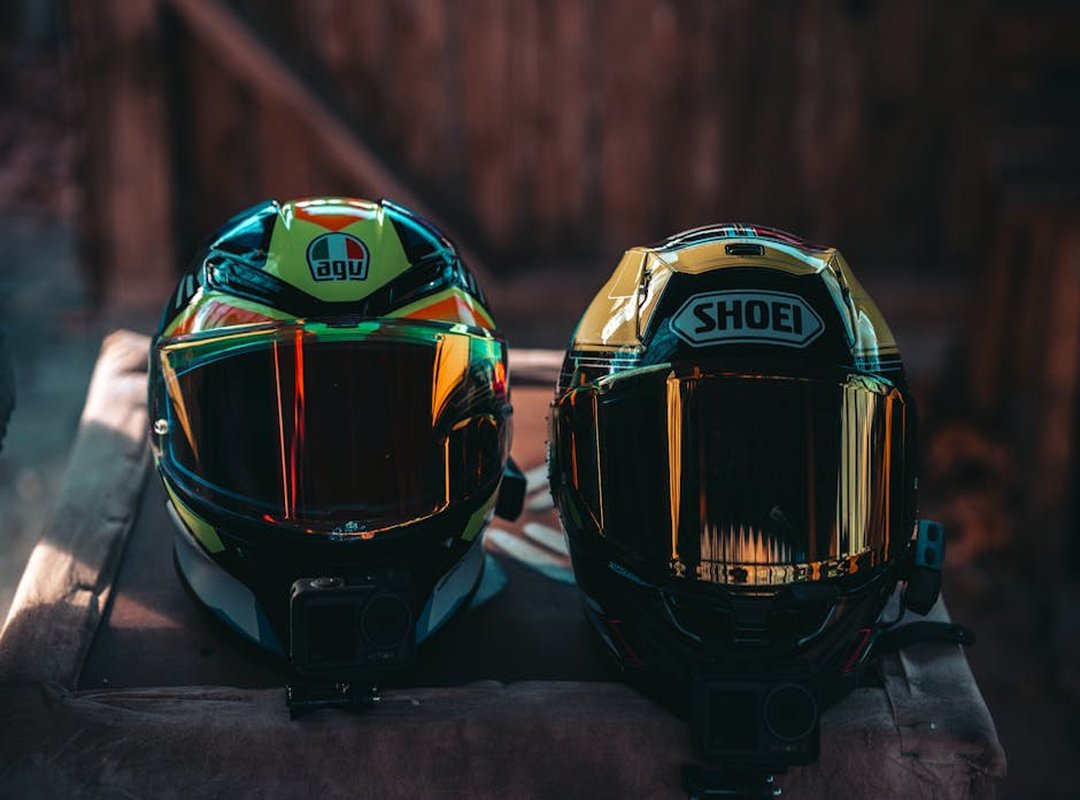
I wear helmets. I’ve dropped them. I’ve sweat in them.
I’ve argued with friends about which one is dumbest.
Full-face helmets cover your whole head. They’re the safest. If you crash, your chin doesn’t get road rash.
(Spoiler: your chin hates pavement.)
Modular helmets flip up. Great for yelling at traffic or grabbing coffee without removing it. But they weigh more.
And that hinge? It’s a weak spot. Not as safe as full-face.
Open-face helmets leave your chin bare. Cool for cruisers. Fine if you ride slow and never fall.
But “never fall” isn’t how physics works.
Off-road helmets have big visors and no face shield. You wear goggles. They breathe like crazy.
Useless on the highway (wind) noise will give you a headache by mile three.
Ventilation matters. So does weight. So does whether your glasses fog up.
You want protection and comfort. Not one or the other.
Are Motobike Gloves Strong Fmbmotogear? Same logic applies. Gear should match your ride, not your Instagram feed.
The Motorbike Helmet Guideline Fmbmotogear isn’t about looking tough. It’s about walking away from a crash with all your teeth.
Ask yourself: what’s my worst-case scenario? Then pick the helmet that handles it.
Not the one that looks best in selfies.
What Actually Makes a Helmet Worth Wearing
I’ve worn helmets that fogged up in parking lots. I’ve worn ones that gave me a headache after forty minutes. Don’t settle for that.
Ventilation isn’t just about staying cool. It stops your visor from fogging mid-turn. You feel the difference when air moves through front intakes and out the rear.
Visors need to resist scratches and fog. UV protection is non-negotiable. And if swapping it takes ten minutes and a prayer?
You won’t do it.
Removable linings are basic hygiene. Sweat builds up fast. If you can’t wash it, you’re riding in bacteria soup.
Lighter weight matters more than specs suggest. My neck thanked me on a six-hour ride. Heavy helmets fatigue you before the road does.
Intercom compatibility? Check it before you buy. Not all helmets have cutouts or space for speakers.
Wind noise adds up. Some helmets cut it. Others make you feel like you’re inside a jet engine.
You don’t want to rip out padding to force it in.
These aren’t “nice-to-haves.”
They’re why you stay focused, comfortable, and safe.
That’s the real point of any Motorbike Helmet Guideline Fmbmotogear.
Need help with other gear? Check out How to choose motorcycle boots fmbmotogear.
Your Helmet Choice Ends Here
I’ve been there. Staring at rows of helmets, confused by labels, second-guessing fit, wondering if that $200 one is really safer than the $120 one. You just want to ride.
Not decode safety jargon.
That’s why Motorbike Helmet Guideline Fmbmotogear exists. Not as theory. As real talk from someone who’s dropped a helmet on concrete, tried on twenty in one afternoon, and learned the hard way what “fits” really means.
Safety standards aren’t optional. They’re non-negotiable. If it doesn’t meet DOT or ECE, walk away.
No exceptions.
Fit isn’t close enough. It’s exact. Tight but not painful.
No movement when you shake your head. If it pinches, slips, or gives you a headache (try) the next one.
Your ride style matters. Commuting? Touring?
Dirt? A full-face won’t help you off-road. A motocross lid won’t cut it on the highway.
Match the helmet to how you ride.
Features like ventilation or quick-release straps? Nice. But never at the cost of fit or certification.
You’re not buying gear. You’re buying time. Reaction time.
Recovery time. More miles with people who matter.
So go try them on. Today. Not tomorrow.
Not after “one more scroll.”
Grab the Motorbike Helmet Guideline Fmbmotogear, head to a shop, and don’t leave without the right one.
Your head will thank you.
 Creative Director & Lifestyle Content Lead
Lirithyn Dusklance oversees the visual identity and lifestyle direction of FMB MotoTune. Her work focuses on blending motorcycle culture with modern design trends, rider apparel, travel inspiration, and everyday gear recommendations. She has a sharp eye for aesthetics and storytelling, helping the platform maintain a bold yet approachable style. Lirithyn contributes heavily to branded campaigns, feature layouts, and audience engagement strategies that resonate with both experienced riders and newcomers. Her creative approach ensures that the platform remains visually dynamic while staying informative and authentic. Through her leadership, FMB MotoTune continues to strengthen its connection with the wider riding lifestyle community.
Creative Director & Lifestyle Content Lead
Lirithyn Dusklance oversees the visual identity and lifestyle direction of FMB MotoTune. Her work focuses on blending motorcycle culture with modern design trends, rider apparel, travel inspiration, and everyday gear recommendations. She has a sharp eye for aesthetics and storytelling, helping the platform maintain a bold yet approachable style. Lirithyn contributes heavily to branded campaigns, feature layouts, and audience engagement strategies that resonate with both experienced riders and newcomers. Her creative approach ensures that the platform remains visually dynamic while staying informative and authentic. Through her leadership, FMB MotoTune continues to strengthen its connection with the wider riding lifestyle community.