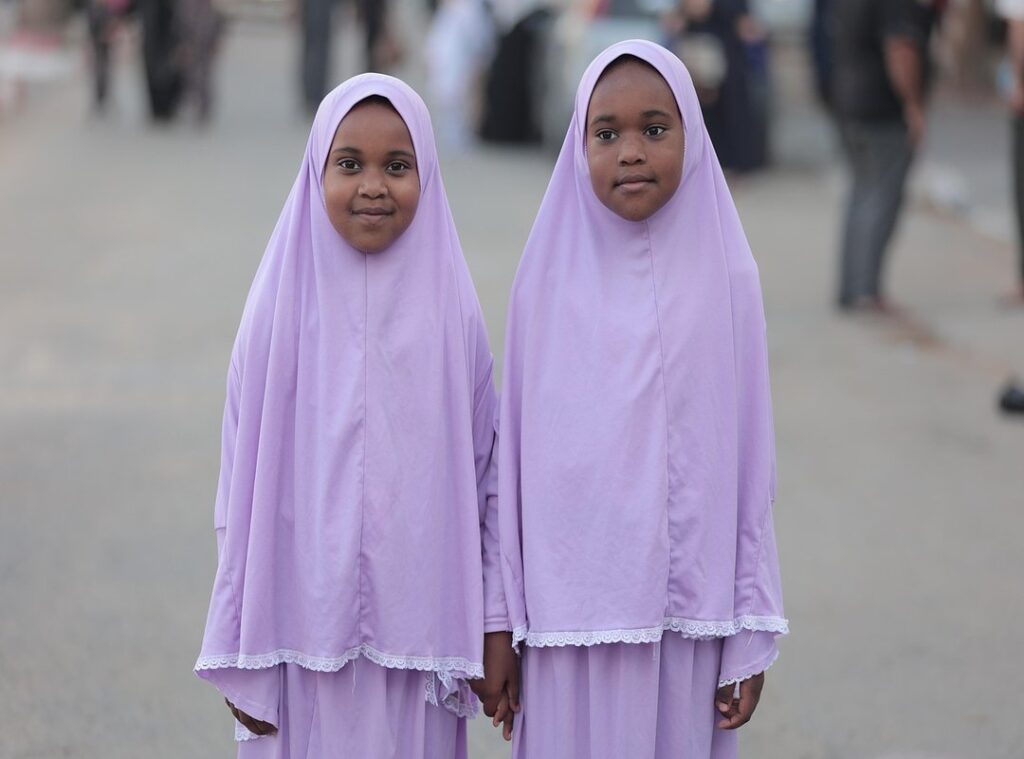
I get it. You’re looking for powerful and meaningful wallpapers featuring Palestinian women. These images are more than just pretty backgrounds.
They’re symbols of resilience, culture, and identity.
This article is all about exploring the rich symbolism and stories behind these compelling visuals. By the end, you’ll not only find inspiration for your next wallpaper palestine perempuan but also gain a deeper appreciation for the art and its message.
Art and digital imagery have become a modern way to share stories and express solidarity. It’s a way to connect with something bigger, to feel part of a community. So, let’s dive in and see what these images can tell us.
Understanding the Symbols: A Visual Language of Heritage
When you look at art depicting Palestinian women, you’ll notice a few recurring symbols. Each one carries deep meaning and history.
The Keffiyeh, for instance, is more than just a piece of fabric. It’s a symbol of Palestinian nationalism and resistance. You’ll often see it worn or featured prominently in artwork.
Tatreez embroidery is another key element. These intricate, traditional patterns aren’t just pretty designs. They represent different villages, histories, and stories passed down through generations.
Each stitch tells a story, making every piece unique.
Then there’s the olive tree and its branches. This symbol represents peace, longevity, and a deep-rooted connection to the land. It’s a powerful reminder of the enduring spirit of the Palestinian people.
Other motifs like the key (symbolizing the right of return) and poppies are also common. The key, in particular, speaks to the longing for home and the hope of returning. Poppies, on the other hand, often symbolize resilience and the beauty that can emerge from struggle.
And let’s not forget the Al-Aqsa Mosque. This iconic structure is a symbol of faith and cultural identity, often depicted in the background of many artworks.
When you see wallpaper palestine perempuan, these symbols come together to create a rich tapestry of heritage and resistance. Each one adds a layer of meaning, helping us understand the stories and struggles of Palestinian women.
A Gallery of Strength: Popular Wallpaper Styles and Themes
When it comes to wallpaper, the right image can transform a space. Let’s dive into some distinct styles that bring a unique touch to any room.
Theme 1: ‘Sumud’ (Steadfastness)
Imagine a wall adorned with images of women exuding strength and resilience. Their expressions are fierce, their eyes determined. The backdrop often features cultural landmarks, adding a layer of depth and history.
These wallpapers are like a silent testament to the power of perseverance.
Theme 2: ‘Guardians of Culture’
This theme celebrates women as keepers of tradition. You’ll see them creating or wearing Tatreez, a traditional form of embroidery. Or perhaps they’re baking traditional bread, the aroma almost wafting from the walls.
These wallpapers capture the essence of cultural events, making you feel like you’re part of something timeless.
Theme 3: ‘Modern Digital Art’ wallpaper palestine perempuan
Bold colors and minimalist designs dominate this style. Graphic illustrations convey powerful messages with simplicity. The clean lines and vibrant hues make a statement, perfect for a modern, dynamic space.
It’s like a breath of fresh air, invigorating and inspiring.
Theme 4: ‘Photographic Portraits’
Real-life photography has a way of capturing the soul. These wallpapers feature powerful portraits of Palestinian women, each one telling a story. The images are so vivid, you can almost hear the whispers of their experiences.
The dignity and spirit in their eyes are truly moving.
Pro Tip: Choose a wallpaper that resonates with your personal values and the vibe you want to create in your space. Whether it’s the wallpaper palestine perempuan or a modern digital art piece, the right image can make all the difference.
The Central Role of Women in Palestinian Identity

When we talk about the role of women in Palestinian society, it’s not just about their everyday lives. It’s about how they’re the backbone of the community. Women are often seen as the keepers of cultural memory, tradition, and family history.
They pass down stories, recipes, and customs from one generation to the next.
Artwork often uses the female figure to personify the homeland itself—a concept known as ‘motherland.’ This is a powerful way to connect the idea of home with the nurturing and protective qualities associated with women.
Women have been central figures in both non-violent resistance and the preservation of Palestinian heritage through art, music, and education. They lead protests, organize community events, and teach the younger generation about their roots.
Choosing a wallpaper like wallpaper palestine perempuan is more than just a design choice. It’s an acknowledgment of the profound and enduring role that women play in Palestinian identity. It’s a way to honor their strength and resilience.
How to Find and Use These Wallpapers Respectfully
I remember the first time I stumbled upon a stunning piece of Palestinian art online. It was a beautiful wallpaper palestine perempuan that caught my eye. I was so excited, but I also knew I had to be respectful.
Start by searching on platforms like Pinterest, Behance, or DeviantArt. Use specific keywords like “Palestinian art” or “Tatreez illustration.”
When you find something you love, always look for the original artist. Many are independent creators who deserve credit for their work.
It’s not just about aesthetics. Understanding the context and significance of these images is crucial. They often carry deep cultural and historical meaning.
Respectful use means acknowledging the artist and the culture behind the artwork. It’s a small gesture, but it makes a big difference.
A Lasting Symbol on Your Screen
The wallpapers are a blend of beautiful art and deep cultural meaning. Each image tells a story of identity, strength, and heritage. Choose a wallpaper palestine perempuan that resonates with you personally.
A simple digital image can serve as a daily reminder of resilience and the enduring power of culture.
 Creative Director & Lifestyle Content Lead
Lirithyn Dusklance oversees the visual identity and lifestyle direction of FMB MotoTune. Her work focuses on blending motorcycle culture with modern design trends, rider apparel, travel inspiration, and everyday gear recommendations. She has a sharp eye for aesthetics and storytelling, helping the platform maintain a bold yet approachable style. Lirithyn contributes heavily to branded campaigns, feature layouts, and audience engagement strategies that resonate with both experienced riders and newcomers. Her creative approach ensures that the platform remains visually dynamic while staying informative and authentic. Through her leadership, FMB MotoTune continues to strengthen its connection with the wider riding lifestyle community.
Creative Director & Lifestyle Content Lead
Lirithyn Dusklance oversees the visual identity and lifestyle direction of FMB MotoTune. Her work focuses on blending motorcycle culture with modern design trends, rider apparel, travel inspiration, and everyday gear recommendations. She has a sharp eye for aesthetics and storytelling, helping the platform maintain a bold yet approachable style. Lirithyn contributes heavily to branded campaigns, feature layouts, and audience engagement strategies that resonate with both experienced riders and newcomers. Her creative approach ensures that the platform remains visually dynamic while staying informative and authentic. Through her leadership, FMB MotoTune continues to strengthen its connection with the wider riding lifestyle community.