
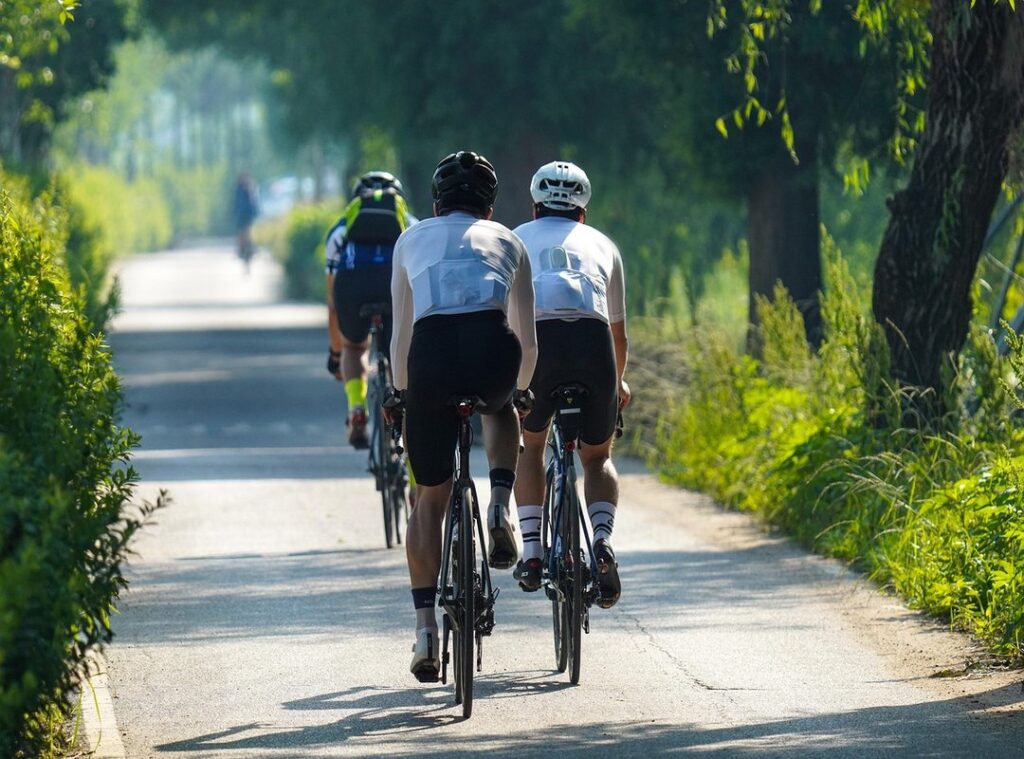
Group cycling brings a rush like nothing else. But let’s be honest: it comes with safety concerns that can’t be ignored.
Miscommunication, different skill levels, and unexpected obstacles can turn a fun ride into a disaster. I’ve seen it happen. We all want to enjoy the thrill of the ride, but safety has to come first.
This guide draws on years of experience with group dynamics and the importance of being prepared. I promise you’ll find practical tips that have been road-tested and proven effective.
You’ll learn how to get through the risks and enjoy your rides without fear.
The goal here is clear: to boost your group riding safety and make every ride a confident, enjoyable experience.
This article is your roadmap to understanding how to manage risks effectively. Together, we’ll turn potential hazards into a smooth and safe journey. Buckle up; it’s time to ride smart.
Safety First: Pre-Ride Rituals That Matter
Every time I head out for a ride, I make it a point to do my own pre-ride checks. It’s non-negotiable. I mean, would you drive a car without checking the brakes?
Same goes for the bike. Tires, brakes, the chain, and lights. Each gets a quick once-over.
It’s all about group riding safety. No exceptions.
Let’s talk gear. Helmets need to fit snugly. If it wobbles, fix it or get a new one.
Clothing should match the weather. I’ve seen riders shivering on a brisk morning ride (not fun). Hydration and a basic repair kit are must-haves.
You don’t want to be the one stranded miles away from help.
Pre-ride briefings are gold. We outline the route, pace, stops, and emergency plans. This isn’t just for the newbies.
It’s for everyone. Knowing your role is key. Ride leaders set the pace and get through.
Sweeps make sure no one gets left behind. Intermediate riders fill in the gaps.
Clear communication is a game-changer. I can’t stress this enough. Without it, chaos ensues.
I’ve seen it happen. Everyone needs to be on the same page, especially new riders. It’s about safety and fun.
Keep it smooth and enjoyable for all.
Group Riding: Formations and Etiquette
When it comes to group riding safety, the staggered formation is my go-to. It’s simple: riders are offset by half a wheel length, creating a zigzag pattern. This setup boosts road visibility and reaction time, which is key when you’re out there on the highway.
But let’s talk single-file formation. It’s not just for show. You need it on narrow roads and in heavy traffic.
Keep your distance, though. Tailgating is a disaster waiting to happen.
Speed consistency is another thing. Ever heard of the accordion effect? That’s when riders keep speeding up and slowing down.
It’s annoying and dangerous. Maintain a steady pace to keep the group tight and fast.
Passing within the group? Do it safely. Signal your intentions and pass with care.
Remember, you’re not just sharing the road with bikes but with cars and pedestrians too. A little courtesy goes a long way.
Finally, let’s ride smoothly. No sudden braking or acceleration. It keeps the group together and safe.
If you want to dive deeper into riding safety, you might want to learn more about visibility at night. It’s all about looking out for each other.
Mastering Hand Signals: Your Silent Language on the Road
Riding in a group? You better know your hand signals. It’s the silent language that could save you from a nasty spill.
When I first started, nobody told me how key these were. Stop, slow down, turn left or right (these) aren’t just suggestions. They’re lifesavers.
Think of the last time you saw a pothole too late. A well-timed point-out could prevent a collision. And what about hazards?
Signaling a hazard ahead can mean the difference between smooth sailing and a trip to the ER.
In group riding, communication is everything. Everyone should pass the signal back. It’s like playing telephone, but with way higher stakes.
Miss a signal, and chaos can unfold. I’ve seen it happen.
Practice is key. Get together with your crew and drill those signals until they’re second nature. Build that muscle memory.
It’s not just about you; it’s about the whole group’s safety. For more takeaways, check out these 10 rules for group motorcycle riding to understand the bigger picture of group riding safety.
Missed signals? They can lead to accidents. So, why risk it?
Master the silent language of the road. Your group will thank you.
Riding Through the Storm: Mastering Adverse Conditions
Riding in bad weather can be a real test. Rain reduces grip and visibility, making every turn feel like a gamble. The trick?
Slow down and increase your following distance. Reflective gear and proper lighting are non-negotiable. Wind is another beast.
It tries to push you off your line. Lean into it and hold your ground. If you’re riding in a group, keep tight and communicate.
Speaking of communication, road hazards like potholes or gravel are lurking everywhere. Call them out. Avoiding them is easier when everyone knows they’re coming.
And those slippery railway tracks? Cross them at a right angle or they’ll have you for lunch. Trust me.
Now, what about those unexpected stops? You absolutely need a plan. Safely pull over and signal the group.
Don’t leave anyone guessing. For group riding safety, everyone should carry a basic first-aid kit. Know each other’s emergency contacts.
Sometimes groups get split. Designate regrouping points and use phones or radios to stay connected. Waiting isn’t just polite; it’s important.
And hey, if you’re curious about stopping safely, check out these braking techniques motorcycle. They’re a lifesaver. Riding isn’t just about adventure; it’s about being prepared for whatever comes your way.
Safety-First Vibes: Group Riding Done Right
When it comes to group riding safety, here’s a simple rule: know your limits. No one else will know them better than you do. You communicate this to your group leader, okay?
Riding in mixed-ability groups can be tricky. But you know what? It shouldn’t be.
Keep the pace adaptable, make sure no one is left behind, and always, always provide encouragement. The ride isn’t just about one person getting to the destination; it’s about everyone doing so safely.
Now, let’s talk about collective responsibility. Looking out for each other should be as natural as breathing. If your fellow rider needs assistance, don’t hesitate.
Offer help and, if needed, a gentle correction. We all want to reach our destination in one piece.
Distractions? Leave them at home. Your phone can wait.
Focus on the road and the others around you. It’s as simple as that.
Personal well-being plays a huge role here, too. Hydrate, fuel up, and rest well before a long ride. Your focus and reaction time depend on it.
After the ride, debrief with your group. Discuss what went well and what could be better next time. That’s how you learn.
That’s how you grow.
Ride with Confidence
Understanding group riding safety changes everything. I know that feeling of nerves before a ride. It’s real.
But with the right knowledge and coordination, you can turn those apprehensions into confidence. Clear communication and predictable behavior are key. They create a safe environment where everyone feels secure.
So, put these tips into action on your next group ride. Share them with your friends. Make group riding safety a priority.
Don’t just read about it; embrace it. Explore more safety resources and get ready to hit the road with confidence. Your safer adventures await.
Let’s ride!
 Senior Automotive Analyst & Safety Specialist
Vionaryn Glimmerquill specializes in automotive insights, motorcycle safety education, and technical performance analysis at FMB MotoTune. He is known for producing detailed yet accessible content focused on maintenance techniques, riding safety, gear efficiency, and evolving automotive technologies. His analytical mindset helps readers better understand practical riding solutions and vehicle performance improvements. Vionaryn regularly researches industry developments to provide accurate and up-to-date recommendations for riders of all experience levels. He is also passionate about educating the community on responsible riding habits and long-term vehicle care. His expertise plays a major role in maintaining the informative and trustworthy reputation of the platform.
Senior Automotive Analyst & Safety Specialist
Vionaryn Glimmerquill specializes in automotive insights, motorcycle safety education, and technical performance analysis at FMB MotoTune. He is known for producing detailed yet accessible content focused on maintenance techniques, riding safety, gear efficiency, and evolving automotive technologies. His analytical mindset helps readers better understand practical riding solutions and vehicle performance improvements. Vionaryn regularly researches industry developments to provide accurate and up-to-date recommendations for riders of all experience levels. He is also passionate about educating the community on responsible riding habits and long-term vehicle care. His expertise plays a major role in maintaining the informative and trustworthy reputation of the platform.