
Evening rides have a unique allure. But they come with risks that can’t be ignored. Reduced visibility and distracted drivers make biking at night a challenge.
I’ve seen too many close calls.
Evening biking demands a proactive approach to night riding safety. You face unseen obstacles and less attentive drivers. It’s not just about enjoying the freedom of the open road; it’s about staying safe while doing it.
With years of experience in motorcycle safety, I know the importance of being prepared. This guide provides concrete tips to help you get through the dangers of night rides. You’ll learn how to transform risky situations into confident journeys.
Trust me, these strategies come from real-world experience. Let’s ride safely together.
See and Be Seen: Mastering Lighting & Visibility Gear
When you’re out there on the road, the night isn’t the time to skimp on lighting. You need to see and be seen. It’s a dual necessity that can’t be ignored for night riding safety.
Headlights are your pathfinders. Urban riding demands at least 1000 lumens, while rural areas beg for something heftier. 2000+ lumens. You don’t want to be left guessing what’s ahead.
Beam patterns matter too. Wide beams give you more peripheral vision, but a spot beam helps with distance. And please, adjust your headlights.
Nobody likes being blinded by oncoming traffic.
Now, taillights aren’t just there to look pretty. Bright, flashing taillights with wide visibility angles are important. Smart brake lights take it up a notch, making sure every brake tap is clearly communicated.
Consider adding auxiliary rear lights for the extra punch in visibility. Overkill? I think not.
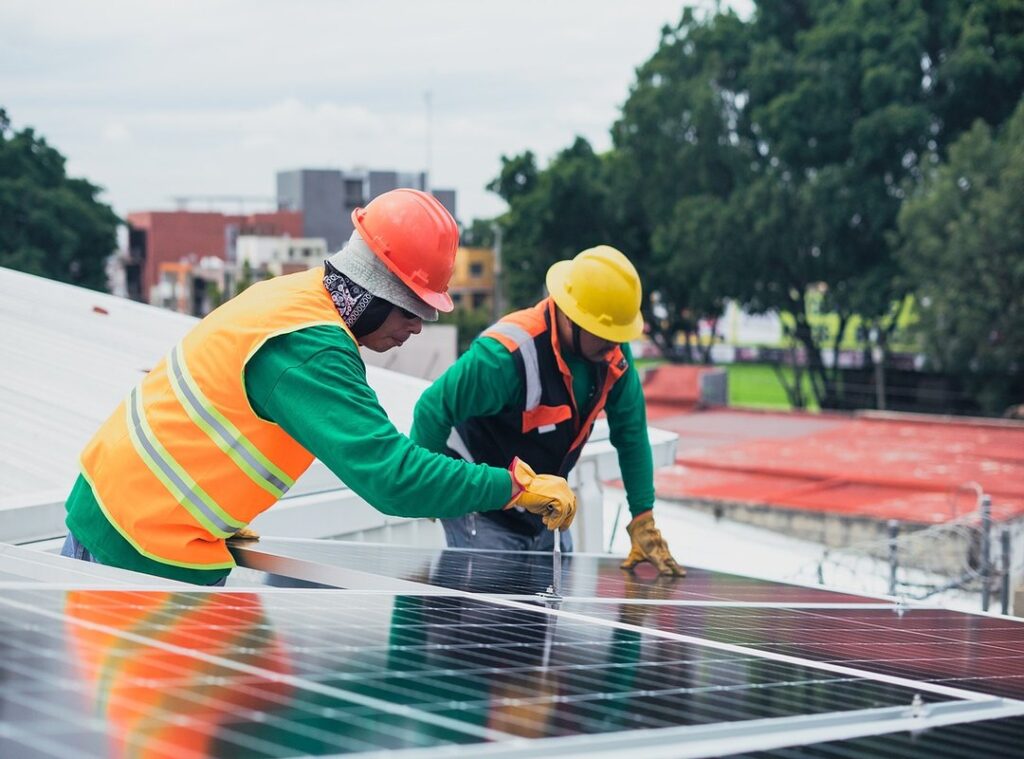
Reflective gear isn’t just for construction workers. High-visibility vests or jackets with reflective materials like 3M Scotchlite make you noticeable. Stick reflective tape on helmets, wheels, and frames.
It catches light from all angles (almost like you’re wearing a disco ball).
Auxiliary lighting can be a game-changer. Helmet-mounted lights let you direct attention wherever you turn your head. Side-mounted lights?
They bulk up your bike’s profile, especially at intersections. Trust me, with all these options, there’s no reason not to be seen. So, gear up, light up, and ride boldly into the night.
Sharpening Your Senses: Night Riding Safety Techniques
Riding at night changes everything. Even with great lighting, our perception shifts. You notice it, right?
Colors fade, shadows deepen, and suddenly you’re in a world where adaptive techniques are not optional but important.
First, let’s talk eye protection. Forget tinted visors after sunset. You need clear ones to catch every detail.
Train your eyes to swiftly adapt by scanning ahead and using peripheral vision. Trust me, it makes a difference.
Then there’s glare. Ever been blinded by oncoming headlights? It’s a common nuisance.
Briefly look to the right edge of your lane or the white line. That way you keep focus without losing track of what’s ahead. It’s all about avoiding temporary blindness.
Now, let’s discuss following distance. Nighttime reduces our reaction time. Judging speed and distance becomes tricky.
I’d say, double your daytime distance. It sounds like common sense because it is.
Active scanning is your best friend at night. Look for those sneaky potholes, debris, or even animals. Shadows can hide dangers; watch for ‘negative space’ (those) empty spots where hazards lurk.
Don’t forget other road users. Drivers can be tired, impaired, or just plain reckless. Anticipate their unpredictability and give them space.
Thought about how that links with your skills? Check out braking techniques motorcycle to refine how you handle surprises.
As you embrace these techniques, you’ll find night riding transforms. It’s empowering (and safer) when you’re aware and prepared.
Mastering the Dark Road: Evening Riding Hazards Unveiled
Ever tried riding when it’s dark and felt uneasy? You’re not alone. Night riding safety is a beast of its own.
Reduced light makes road surfaces tricky. Wet patches, oil slicks, gravel. Spotting these at night is challenging.
After rain, or in debris-prone areas, the risk increases. I always ride defensively, and I suggest you do too. It’s about staying safe, not just having fun.
And let’s talk temperatures. When the sun sets, it drops. Fast.
This affects tire pressure and grip a lot. Cold tires don’t behave like warm ones. So, check them before hitting the dark roads.
Trust me, your wheels will thank you.
Wildlife is another issue. Critters like to party at dusk and dawn. I keep my eyes peeled on the shoulders, use high beams when it’s safe, and prep for sudden moves.
The “deer in headlights” phenomenon is real. Knowing how to react can save your skin.
Fatigue hits hard in low light too. Taking breaks and staying hydrated helps a lot. Recognizing when you’re zoning out is key.
Planning your route? Smart. Pre-ride unfamiliar routes during daylight.
Stick to well-lit roads at night. Avoid those sketchy, bumpy paths. And if you’re into mastering motorcycle cornering, this precaution is even more key.
For more advanced strategies, check out road biking in dark tips. Stay alert, stay safe, and enjoy the ride.
Beyond Lights: Gear Up for Night Riding Safety
Let’s talk about personal preparedness. It’s not all about having the brightest lights. You’ve got to be ready for the elements.
Layering is key. Don’t just throw on a jacket and hope for the best. Use materials that wick away moisture.
They keep you dry and warm as temperatures drop. Trust me, nothing kills focus like a chill creeping in under your gear.
Now, about staying connected. A fully charged phone isn’t negotiable. Pre-program those emergency contacts.
You never know when you’ll need them. And, of course, a reliable GPS app is a lifesaver. Make sure it has a night mode.
Your eyes will thank you after hours on the road.
Don’t forget your emergency kit. A small multi-tool, tire repair kit, and a flashlight can turn a potential disaster into a minor inconvenience. Knowing you can handle roadside issues brings peace of mind.
Here’s a pro tip: share your route and ETA with a friend. Modern apps let them track your live location. It’s a safety net you’ll be glad to have.
Finally, visibility is everything. Add reflective elements to your helmet. Your footwear too.
They make you more noticeable from all angles. It’s about being seen, not just seeing. Night riding safety isn’t just about lights.
It’s about being proactive and ready for anything.
Conquer the Night with Confidence
You’re now armed with important tips for night riding safety.
Let’s face it. Riding at night can feel risky. Reduced visibility and unexpected hazards can make anyone hesitant.
But it doesn’t have to be that way. You’ve learned that superior lighting, increased awareness, and proactive hazard management create a solid safety net.
These strategies aren’t just about avoiding accidents. They’re about enhancing your riding experience and enjoying the freedom that comes with it.
So, what’s next?
Take a moment to review your gear. Make sure your lights are bright and functioning. Practice these techniques until they feel second nature.
Don’t let fear hold you back.
Embrace the night with confidence, knowing you’ve done your part to secure your ride.
Stay safe, stay visible, and keep exploring.
Make safety a priority every time you hit the road.
I promise you’ll enjoy every ride more when you ride smart.
Ready to take the leap? Get out there and enjoy your evening rides. You deserve it.
 Founder & Chief Executive Officer