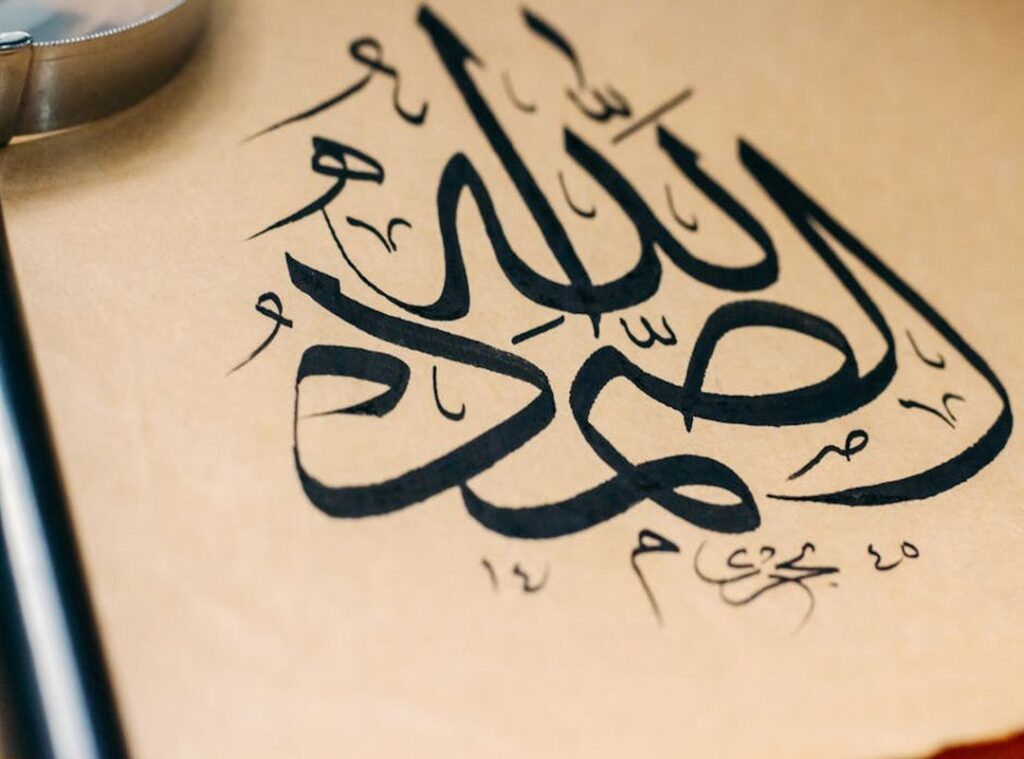
You see it everywhere. That ﷽ symbol pops up in comment sections, forums, and social media posts. It’s confusing, right?
What is this symbol? Where does it come from? And what does it mean?
This article will demystify the ﷽ copypasta. I promise a clear explanation of its origin, meaning, and why it became so popular online.
It’s not just a random string of characters or an emoji. This symbol has deep cultural and religious significance. Understanding it reveals a fascinating intersection of ancient tradition and modern internet culture.
Decoding the Basmala: The True Meaning and Origin
You’ve probably seen it before, that elegant script at the beginning of many Islamic texts. That’s the Bismillah, or in Arabic, ﷽. For English speakers, it’s transliterated as “Bismillah al-Rahman al-Rahim.”
The direct English translation is “In the name of God, the Most Gracious, the Most Merciful.” Simple, right? But its significance goes much deeper.
Imagine starting a journey with a compass. The Basmala is like that for Muslims. It’s recited before almost every chapter (surah) of the Quran.
And just like you’d check your compass to stay on track, Muslims use the Bismillah to seek blessings and guidance from God before starting any task.
It’s a constant reminder of God’s mercy and presence in daily life. Think of it as a gentle nudge, a way to keep the divine in mind. Over a billion people find comfort and direction in this practice.
The Basmala isn’t just a phrase; it’s a foundational practice in Islam. It signifies that any action is being undertaken for the sake of God. Like a chef who starts by setting out all the ingredients, the Basmala sets the stage for everything that follows, ensuring that the intention is pure and the outcome is blessed.
From Sacred Phrase to Viral Text: The Copypasta Phenomenon
First, let’s define the term ‘copypasta.’ It’s a block of text that gets repeatedly copied and pasted across the internet, often for humorous or spamming purposes.
The Basmala, a sacred Islamic phrase, has become a copypasta. Why? Its unique and visually complex appearance to non-Arabic speakers makes it stand out.
It’s used in various online contexts. Sometimes, it’s a genuine religious expression. Other times, it’s an ironic meme, a way to troll in Twitch chats, or a method to spam comment sections on YouTube and Reddit. ﷽ copypasta
Take this example: ﷽. To some, it’s just a cool-looking symbol. But its true meaning and significance are often lost in translation.
This cultural disconnect is fascinating. A phrase of deep reverence can be used by people who are completely unaware of its significance. They use it because it looks interesting, not because they understand its importance.
It’s a reminder of how easily context and meaning can get stripped away in the digital world.
A Practical Guide to Copying and Using the ﷽ Symbol

Here’s the ﷽ symbol in a distinct text box for easy copying:
﷽
This is the simplest method because the symbol is a single, special Unicode character (U+FDFD), not a combination of letters.
Some might argue that using a special keyboard or shortcuts is more authentic. But let’s be real, most people just want a quick and easy way to use it.
If you’re interested in alternative methods, here are a few:
1. Enable an Arabic keyboard on Windows, Mac, iOS, or Android.
2. Use specific shortcuts if available on your device.
It’s important to note that while this method is straightforward, not all platforms or fonts render the ﷽ symbol correctly. Sometimes it might appear as a blank box or a question mark.
Given its sacred meaning, it’s respectful to be mindful of the context. Avoid using it in a mocking or inappropriate manner.
Understanding the Full Context Behind the Characters
The ﷽ copypasta is not just random internet jargon but the Basmala, a central phrase in Islam. This symbol holds a dual identity in the modern world: it is a sacred invocation for believers and a viral piece of internet culture for others.
You now have a complete understanding, satisfying your initial curiosity about the strange symbol you’ve been seeing online. This example shows that many internet trends have deeper cultural or historical roots worth exploring. You can now recognize the symbol not just as a copypasta, but as a piece of living history and faith.
 Creative Director & Lifestyle Content Lead
Lirithyn Dusklance oversees the visual identity and lifestyle direction of FMB MotoTune. Her work focuses on blending motorcycle culture with modern design trends, rider apparel, travel inspiration, and everyday gear recommendations. She has a sharp eye for aesthetics and storytelling, helping the platform maintain a bold yet approachable style. Lirithyn contributes heavily to branded campaigns, feature layouts, and audience engagement strategies that resonate with both experienced riders and newcomers. Her creative approach ensures that the platform remains visually dynamic while staying informative and authentic. Through her leadership, FMB MotoTune continues to strengthen its connection with the wider riding lifestyle community.
Creative Director & Lifestyle Content Lead
Lirithyn Dusklance oversees the visual identity and lifestyle direction of FMB MotoTune. Her work focuses on blending motorcycle culture with modern design trends, rider apparel, travel inspiration, and everyday gear recommendations. She has a sharp eye for aesthetics and storytelling, helping the platform maintain a bold yet approachable style. Lirithyn contributes heavily to branded campaigns, feature layouts, and audience engagement strategies that resonate with both experienced riders and newcomers. Her creative approach ensures that the platform remains visually dynamic while staying informative and authentic. Through her leadership, FMB MotoTune continues to strengthen its connection with the wider riding lifestyle community.